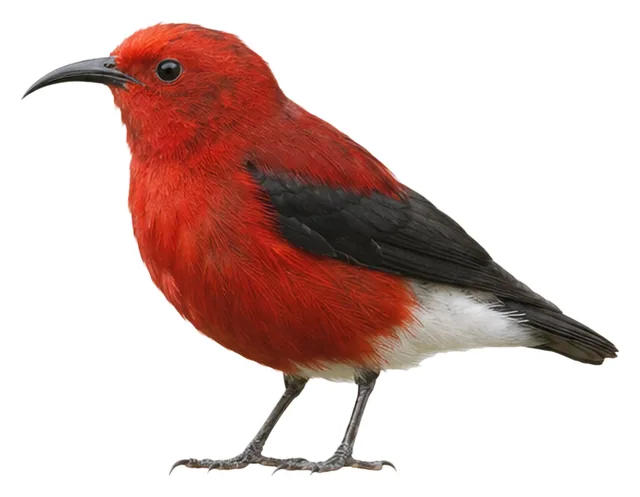
Apapane
Himatione sanguinea (Gmelin, JF, 1788)
15 gWeight
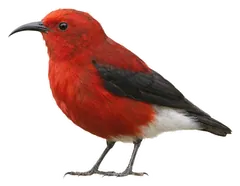
The ʻapapane (Himatione sanguinea) is a small, crimson species of Hawaiian honeycreeper endemic to the Hawaiian Islands.
AI-generated illustration. It may contain mistakes. · How the stickers are made
Where and when it's recorded
No records at the public birding hotspots we track. It may be rare, remote, or its locations protected.
About
The ʻapapane (Himatione sanguinea) is a small, crimson species of Hawaiian honeycreeper endemic to the Hawaiian Islands. They are the most abundant and widely distributed honeycreeper and are found on the islands of Hawaiʻi, Maui, Lānaʻi, Kauaʻi, Molokaʻi and Oʻahu.
Excerpt from Wikipedia, CC BY-SA 4.0 · authors · Read more on Wikipedia
Questions
How big is the Apapane?
The Apapane weighs around 15 g.
Where does the Apapane live?
Its breeding range: Pacific Ocean: Hawaiian Islands.
Is the Apapane endangered?
The IUCN Red List classifies the Apapane as Least Concern.
What does the Apapane eat?
Main food: Nectar.
What family is the Apapane in?
It belongs to the family Finches, Euphonias (Fringillidae), order Passerines (Passeriformes).
At a glance
- Weight
- 15 g
- Habitat
- Forest
- Diet
- Nectar
- Lifestyle
- Perches in trees
- Migration
- Resident (barely migrates)
- Conservation
- Least Concern
More measurements
- Wing
- 72 mm
- Tail
- 52 mm
- Bill
- 20 mm
- Tarsus
- 23 mm
Averages from the AVONET dataset; length from field guides where available.
Range
Pacific Ocean: Hawaiian Islands
Breeding range, IOC World Bird List 15.2
Classification
- Order
- Passerines Passeriformes
- Family
- Finches, Euphonias Fringillidae
- Genus
- Himatione
More from the family Finches, Euphonias
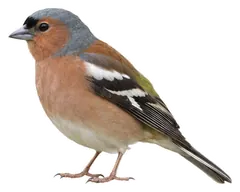 Eurasian ChaffinchFringilla coelebs
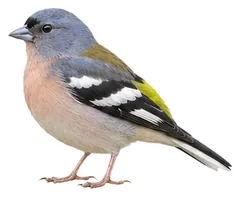 African ChaffinchFringilla spodiogenys
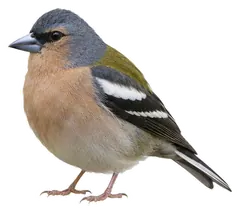 Azores ChaffinchFringilla moreletti
 Madeira ChaffinchFringilla maderensis
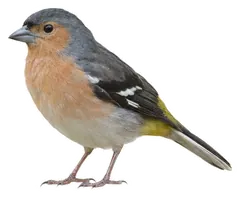 Canary Islands ChaffinchFringilla canariensis
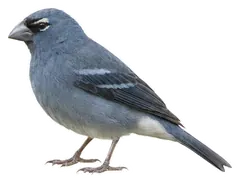 Tenerife Blue ChaffinchFringilla teydea
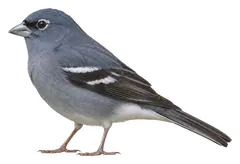 Gran Canaria Blue ChaffinchFringilla polatzeki
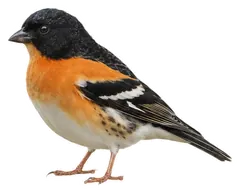 BramblingFringilla montifringilla
 Black-and-yellow GrosbeakMycerobas icterioides
 Collared GrosbeakMycerobas affinis
 WebP · 1070 px