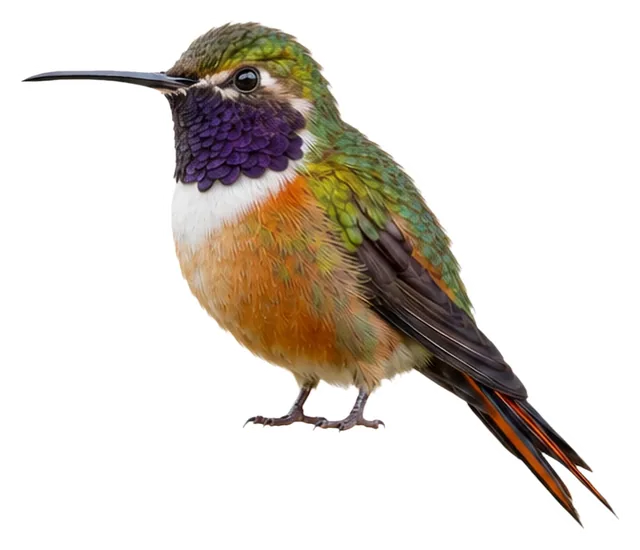
Bahama Woodstar
Nesophlox evelynae (Bourcier, 1847)
2.4 gWeight
Busiest months: January–March and October · Most records: Bahamas, Turks & Caicos Islands
AI-generated illustration. It may contain mistakes. · How the stickers are made
Where and when it's recorded

Bahama Woodstar has been recorded at 29 of the 8,171 birding hotspots we track, in 2 countries and regions.
Records by month Northern Hemisphere
Where it's recorded most
- The Retreat National ParkBahamas924 records
- Blue Shark Golf CourseBahamas297 records
- Garden of Grand Bahama Birders B&BBahamas237 records
More places
- Gerace Research CenterBahamas230 records
- Lakeview Drive PondsBahamas222 records
- Grand Bahama - Garden of the GrovesBahamas74 records
- Pine CayTurks & Caicos Islands71 records
- Lake West of Bridge road opposite Lighthouse roadBahamas63 records
- Bird Rock TrailTurks & Caicos Islands34 records
- Abaco – Sandy PointBahamas23 records
Countries and regions with the most records
eBird records via GBIF up to 2024-12-31. A record means someone listed it; more records partly mean more birders, not more birds.
Questions
How big is the Bahama Woodstar?
The Bahama Woodstar weighs around 2.4 g.
Where does the Bahama Woodstar live?
Its breeding range: North America: Bahamas and Caicos Islands. It is most often recorded in Bahamas and Turks & Caicos Islands.
When is the best time to see the Bahama Woodstar?
At the hotspots we track, it is recorded most in January, February, March and October (Northern Hemisphere).
Is the Bahama Woodstar endangered?
The IUCN Red List classifies the Bahama Woodstar as Least Concern.
What does the Bahama Woodstar eat?
Main food: Nectar.
What family is the Bahama Woodstar in?
It belongs to the family Hummingbirds (Trochilidae), order Apodiformes.
At a glance
- Weight
- 2.4 g
- Habitat
- Towns & farmland
- Diet
- Nectar
- Lifestyle
- Feeds in the air
- Migration
- Resident (barely migrates)
- Conservation
- Least Concern
More measurements
- Wing
- 40 mm
- Tail
- 30 mm
- Bill
- 18 mm
- Tarsus
- 4 mm
Averages from the AVONET dataset; length from field guides where available.
Range
North America: Bahamas and Caicos Islands
Breeding range, IOC World Bird List 15.2
Classification
- Order
- Apodiformes
- Family
- Hummingbirds Trochilidae
- Genus
- Nesophlox
Other birds in the genus Nesophlox
 Inagua WoodstarNesophlox lyrura
 Crimson TopazTopaza pella
 Fiery TopazTopaza pyra
 White-necked JacobinFlorisuga mellivora
 Black JacobinFlorisuga fusca
 White-tipped SicklebillEutoxeres aquila
 Buff-tailed SicklebillEutoxeres condamini
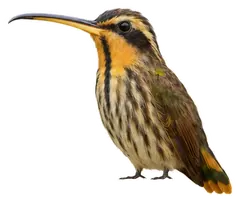 Saw-billed HermitRamphodon naevius
 Hook-billed HermitGlaucis dohrnii
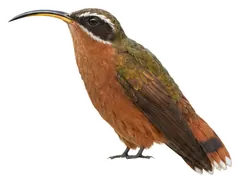 Bronzy HermitGlaucis aeneus
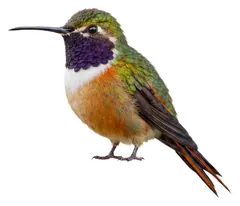
Download illustration
Free to use with credit: “Illustration: Field Stickers”. AI-generated. Its appearance was checked against a reference photo by an uncredited photographer; the pose follows our standard. ↗
In other languages
- EnglishBahama Woodstar
- 简体中文巴哈马林星蜂鸟
- 繁體中文巴哈馬林星蜂鳥
- 日本語バハマハチドリ
- DeutschBahamasternkolibri
- FrançaisColibri des Bahamas
- EspañolColibrí de las Bahamas
- Portuguêsestrelinha-das-baamas
- ItalianoSilvistella delle Bahama
- NederlandsBahamaboself
- РусскийБагамский эльф
- Svenskabahamakolibri
- DanskBahama Skovjuvel
- Polskikoliberek bahamski