
Black-necked Swan
Cygnus melancoryphus (Molina, 1782)
102–126 cmLength4.7 kgWeight
The black-necked swan (Cygnus melancoryphus) is a species of South American waterfowl in the tribe Cygnini of the subfamily Anserinae.
Busiest months: January and October–November · Most records: Chile, Argentina, Uruguay
AI-generated illustration. It may contain mistakes. · How the stickers are made
Where and when it's recorded

Black-necked Swan has been recorded at 143 of the 8,171 birding hotspots we track, in 9 countries and regions.
Records by month Southern Hemisphere
Where it's recorded most
- Reserva Ecológica Costanera SurArgentina5,337 records
- SN Laguna BatucoChile1,310 records
- Humedal Urbano CartagenaChile1,074 records
More places
- Reserva Natural Municipal Laguna NimezArgentina979 records
- SN Humedal Río Maipo – DesembocaduraChile829 records
- Transbordador Pargua-ChacaoChile722 records
- CaulínChile640 records
- Lago de RegatasArgentina556 records
- Pichilemu – Laguna PetrelChile510 records
- QuillaipeChile469 records
Countries and regions with the most records
eBird records via GBIF up to 2024-12-31. A record means someone listed it; more records partly mean more birders, not more birds.
About
The black-necked swan (Cygnus melancoryphus) is a species of South American waterfowl in the tribe Cygnini of the subfamily Anserinae. It is found in Argentina, Brazil, Chile, Uruguay, and the Falkland Islands.
Excerpt from Wikipedia, CC BY-SA 4.0 · authors · Read more on Wikipedia
Questions
How big is the Black-necked Swan?
The Black-necked Swan is about 102–126 cm long and weighs around 4.7 kg.
Where does the Black-necked Swan live?
Its breeding range: South America: Southern Cone. It is most often recorded in Chile, Argentina and Uruguay.
When is the best time to see the Black-necked Swan?
At the hotspots we track, it is recorded most in January, October and November (Southern Hemisphere).
Is the Black-necked Swan endangered?
The IUCN Red List classifies the Black-necked Swan as Least Concern.
What does the Black-necked Swan eat?
Main food: Aquatic plants.
What family is the Black-necked Swan in?
It belongs to the family Ducks, Geese, Swans (Anatidae), order Anseriformes.
At a glance
- Length
- 102–126 cm
- Weight
- 4.7 kg
- Habitat
- Wetland
- Diet
- Aquatic plants
- Lifestyle
- On the water surface
- Migration
- Partial migrant
- Conservation
- Least Concern
More measurements
- Wing
- 412 mm
- Tail
- 122 mm
- Bill
- 78 mm
- Tarsus
- 79 mm
Averages from the AVONET dataset; length from field guides where available.
Range
South America: Southern Cone
Breeding range, IOC World Bird List 15.2
Classification
- Order
- Anseriformes
- Family
- Ducks, Geese, Swans Anatidae
- Genus
- Cygnus
Other birds in the genus Cygnus
 Black SwanCygnus atratus
 Mute SwanCygnus olor
 Trumpeter SwanCygnus buccinator
 Tundra SwanCygnus columbianus
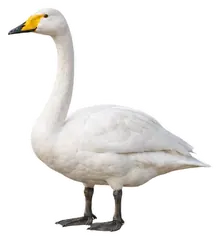 Whooper SwanCygnus cygnus
 White-faced Whistling DuckDendrocygna viduata
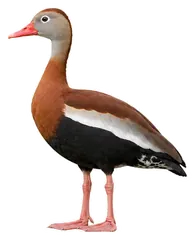 Black-bellied Whistling DuckDendrocygna autumnalis
 Spotted Whistling DuckDendrocygna guttata
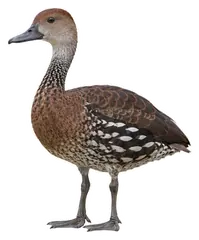 West Indian Whistling DuckDendrocygna arborea
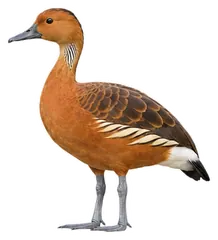 Fulvous Whistling DuckDendrocygna bicolor
 WebP · 1070 px
In other languages
- EnglishBlack-necked Swan
- 简体中文黑颈天鹅
- 繁體中文黑頸天鵝
- 日本語クロエリハクチョウ
- 한국어검은목고니
- DeutschSchwarzhalsschwan
- FrançaisCygne à cou noir
- EspañolCisne cuellinegro
- Portuguêscisne-de-pescoço-preto
- ItalianoCigno collonero
- NederlandsZwarthalszwaan
- РусскийЧерношейный лебедь
- Svenskasvarthalsad svan
- DanskSorthalset Svane
- Polskiłabędź czarnoszyi