
Chestnut-vented Conebill
Conirostrum speciosum (Temminck, 1824)
8.8 gWeight
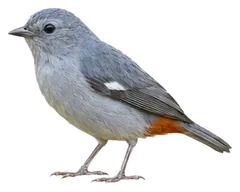
The chestnut-vented conebill (Conirostrum speciosum) is a species of bird in the family Thraupidae.
Busiest months: July–August and October · Most records: Brazil, Argentina, Paraguay
AI-generated illustration. It may contain mistakes. · How the stickers are made
Where and when it's recorded

Chestnut-vented Conebill has been recorded at 224 of the 8,171 birding hotspots we track, in 12 countries and regions.
Records by month Southern Hemisphere
Where it's recorded most
- Floresta Estadual Edmundo Navarro de AndradeBrazil1,304 records
- Parque Ecológico do TietêBrazil927 records
- Carapicuíba – Condomínio Palos VerdesBrazil680 records
More places
- Reserva Ecológica de GuapiaçuBrazil630 records
- Poconé – Pousada PiuvalBrazil612 records
- Poconé – Aymara LodgeBrazil540 records
- Parque Natural Municipal Bosque da BarraBrazil413 records
- Santo André – Campo Grande e estrada do Rio ClaroBrazil380 records
- Rio Claro – Campus da UNESPBrazil349 records
- 600 hectáreasArgentina315 records
Countries and regions with the most records
eBird records via GBIF up to 2024-12-31. A record means someone listed it; more records partly mean more birders, not more birds.
About
The chestnut-vented conebill (Conirostrum speciosum) is a species of bird in the family Thraupidae.
Excerpt from Wikipedia, CC BY-SA 4.0 · authors · Read more on Wikipedia
Questions
How big is the Chestnut-vented Conebill?
The Chestnut-vented Conebill weighs around 8.8 g.
Where does the Chestnut-vented Conebill live?
Its breeding range: South America: widespread. It is most often recorded in Brazil, Argentina and Paraguay.
When is the best time to see the Chestnut-vented Conebill?
At the hotspots we track, it is recorded most in July, August and October (Southern Hemisphere).
Is the Chestnut-vented Conebill endangered?
The IUCN Red List classifies the Chestnut-vented Conebill as Least Concern.
What does the Chestnut-vented Conebill eat?
Main food: Insects & other invertebrates.
What family is the Chestnut-vented Conebill in?
It belongs to the family Tanagers & Allies (Thraupidae), order Passerines (Passeriformes).
At a glance
- Weight
- 8.8 g
- Habitat
- Forest
- Diet
- Insects & other invertebrates
- Lifestyle
- Perches in trees
- Migration
- Resident (barely migrates)
- Conservation
- Least Concern
More measurements
- Wing
- 56 mm
- Tail
- 40 mm
- Bill
- 12 mm
- Tarsus
- 14 mm
Averages from the AVONET dataset; length from field guides where available.
Range
South America: widespread
Breeding range, IOC World Bird List 15.2
Classification
- Order
- Passerines Passeriformes
- Family
- Tanagers & Allies Thraupidae
- Genus
- Conirostrum
Other birds in the genus Conirostrum
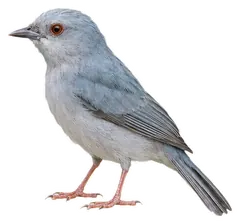 Pearly-breasted ConebillConirostrum margaritae
 Bicolored ConebillConirostrum bicolor
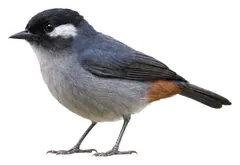 White-eared ConebillConirostrum leucogenys
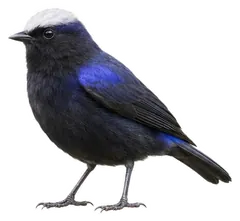 Capped ConebillConirostrum albifrons
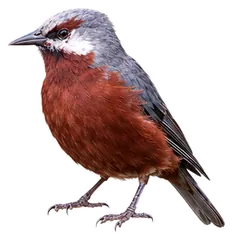 Giant ConebillConirostrum binghami
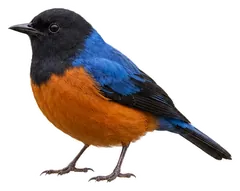 Blue-backed ConebillConirostrum sitticolor
 White-browed ConebillConirostrum ferrugineiventre
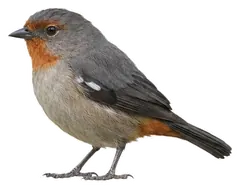 Tamarugo ConebillConirostrum tamarugense
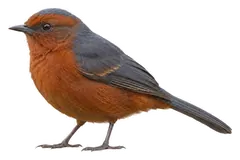 Rufous-browed ConebillConirostrum rufum
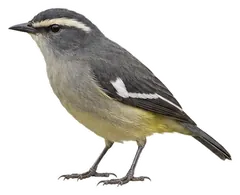 Cinereous ConebillConirostrum cinereum
 WebP · 1070 px
In other languages
- EnglishChestnut-vented Conebill
- 简体中文栗臀锥嘴雀
- 繁體中文栗臀錐嘴森鶯
- 日本語シリアカマルハシミツドリ
- DeutschRotsteiß-Spitzschnabel
- FrançaisConirostre cul-roux
- EspañolConirrostro culirrufo
- Portuguêsfiguinha-de-rabo-castanho
- ItalianoConibecco culcastano
- NederlandsRoodbuikspitssnavel
- РусскийРыжегузый конусоклюв
- Svenskarostgumpad kägelnäbb
- DanskRødgumpet Keglenæb
- Polskiprostodziobek rdzaworzytny