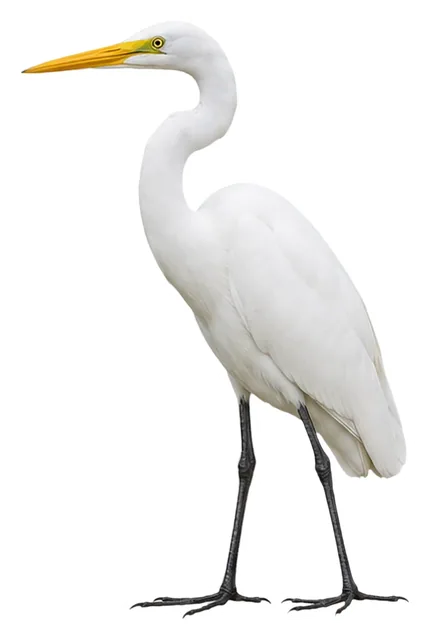
Great Egret
Ardea alba Linnaeus, 1758
90 cmLength144 cmWingspan871 gWeight
It is a large, snow-white heron with a yellow bill and black legs, flying with its neck retracted.
Busiest months: April–May · Most records: United States, China, Australia
Looks like Medium Egret
AI-generated illustration. It may contain mistakes. · How the stickers are made
How to identify
Field marks
- White overall
- Yellow bill and black legs and feet in the non-breeding season
- Long gape extending well behind the eye
- Ornamental plumes on the back in the breeding season; bill may turn black
Male, female and young
The sexes look alike; juveniles resemble adults in the non-breeding season.
Voice
Usually quiet, giving a single low, harsh croak when alarmed; often gives a loud “cuk cuk cuk” in breeding colonies.
Similar species
Records by month · United States · Great Egret
| Month | Records |
|---|---|
| January | 121,122 |
| February | 100,233 |
| March | 108,711 |
| April | 194,565 |
| May | 218,804 |
| June | 85,558 |
| July | 103,678 |
| August | 139,525 |
| September | 158,651 |
| October | 146,909 |
| November | 116,202 |
| December | 94,993 |
Counts come from the birding hotspots covered by Field Stickers. eBird records via GBIF up to 2024-12-31. A record means someone listed it; more records partly mean more birders, not more birds. eBird / GBIF
Where and when it's recorded

Great Egret has been recorded at 6,074 of the 8,171 birding hotspots we track, in 205 countries and regions.
Records by month Northern Hemisphere
Where it's recorded most
- Parker River NWRUnited States26,058 records
- Riparian Preserve at Gilbert Water RanchUnited States23,000 records
- Estero Llano Grande SP WBCUnited States21,384 records
More places
- Magee Marsh – BoardwalkUnited States20,516 records
- Edwin B. Forsythe NWRUnited States20,480 records
- Fort De Soto ParkUnited States19,232 records
- Cape Island – South Cape May MeadowsUnited States18,023 records
- Bombay Hook National Wildlife RefugeUnited States17,683 records
- John Heinz NWR – impoundmentUnited States16,187 records
- Merritt Island NWR – Black Point Wildlife DriveUnited States15,737 records
Countries and regions with the most records
eBird records via GBIF up to 2024-12-31. A record means someone listed it; more records partly mean more birders, not more birds.
About
The great egret (Ardea alba), also known as the common egret, large egret, great white egret, or great white heron, is a large, widely distributed egret. The four subspecies occur in Asia, Africa, the Americas, and southern Europe. Recently, it has also been spreading to more northern areas of Europe.
Excerpt from Wikipedia, CC BY-SA 4.0 · authors · Read more on Wikipedia
Questions
How big is the Great Egret?
The Great Egret is about 90 cm long, with a wingspan of 144 cm and weighs around 871 g.
Where does the Great Egret live?
Its breeding range: North America, South America, Africa, Palearctic, Oriental, Australasia: worldwide. It is most often recorded in United States, China and Australia.
When is the best time to see the Great Egret?
At the hotspots we track, it is recorded most in April and May (Northern Hemisphere).
Is the Great Egret endangered?
The IUCN Red List classifies the Great Egret as Least Concern.
What does the Great Egret eat?
Main food: Fish, shrimp & shellfish.
What family is the Great Egret in?
It belongs to the family Herons, Bitterns (Ardeidae), order Pelecaniformes.
How do you identify the Great Egret?
White overall. Yellow bill and black legs and feet in the non-breeding season. Long gape extending well behind the eye.
How do male and female Great Egret differ?
The sexes look alike; juveniles resemble adults in the non-breeding season.
How do you tell the Great Egret from the Medium Egret?
The gape of Great Egret extends well behind the eye, while that of Medium Egret extends only slightly behind it.
At a glance
- Length
- 90 cm
- Wingspan
- 144 cm
- Weight
- 871 g
- Habitat
- Wetland
- Diet
- Fish, shrimp & shellfish
- Lifestyle
- Active on the ground
- Migration
- Partial migrant
- Conservation
- Least Concern
More measurements
- Wing
- 379 mm
- Tail
- 140 mm
- Bill
- 126 mm
- Tarsus
- 142 mm
Averages from the AVONET dataset; length from field guides where available.
Range
North America, South America, Africa, Palearctic, Oriental, Australasia: worldwide
Breeding range, IOC World Bird List 15.2
Classification
- Order
- Pelecaniformes
- Family
- Herons, Bitterns Ardeidae
- Genus
- Ardea
Other birds in the genus Ardea
 White-necked HeronArdea pacifica
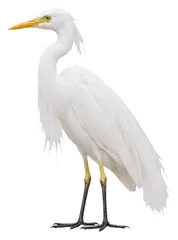 Yellow-billed EgretArdea brachyrhyncha
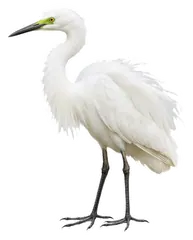 Medium EgretArdea intermedia
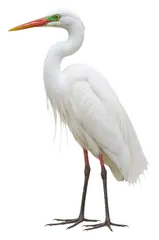 Plumed EgretArdea plumifera
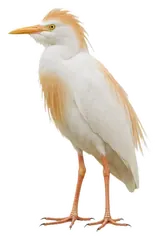 Western Cattle EgretArdea ibis
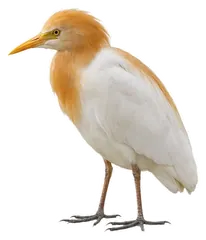 Eastern Cattle EgretArdea coromanda
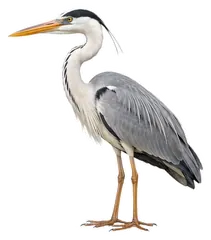 Grey HeronArdea cinerea
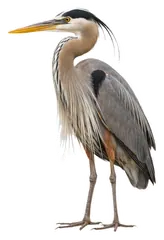 Great Blue HeronArdea herodias
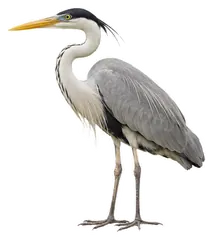 Cocoi HeronArdea cocoi
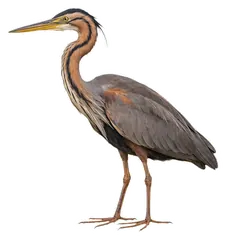 Purple HeronArdea purpurea
 Humblot's HeronArdea humbloti
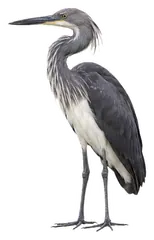 White-bellied HeronArdea insignis
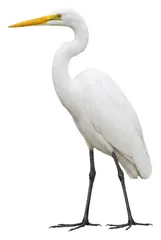
Download illustration
Free to use with credit: “Illustration: Field Stickers”. AI-generated. Its appearance was checked against a reference photo by Chuck Homler (FocusOnWildlife.Me); the pose follows our standard. ↗
