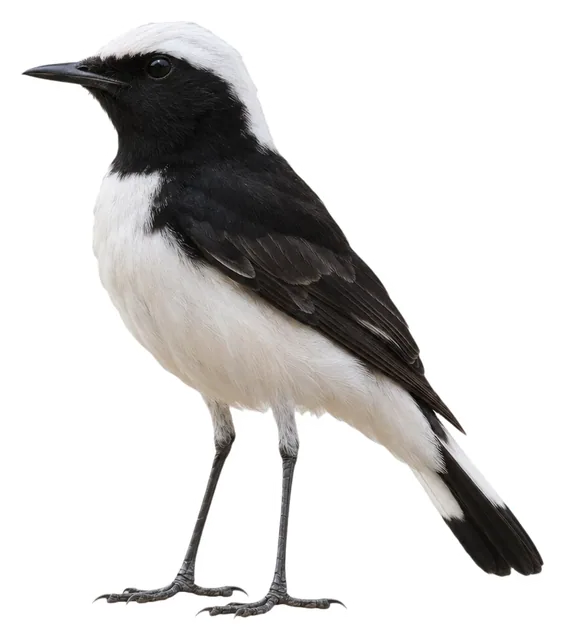
Mourning Wheatear
Oenanthe lugens (Lichtenstein, MHC, 1823)
14–16 cmLength22 gWeight
The mourning wheatear (Oenanthe lugens) is a bird, one of 14 species of wheatear found in northern Africa and the Middle East.
Busiest months: March · Most records: Palestinian Territories, Jordan, Morocco
AI-generated illustration. It may contain mistakes. · How the stickers are made
Where and when it's recorded

Mourning Wheatear has been recorded at 44 of the 8,171 birding hotspots we track, in 17 countries and regions.
Records by month Northern Hemisphere
Where it's recorded most
- PetraJordan334 records
- Kfar AdumimPalestinian Territories168 records
- Yeruham LakeIsrael119 records
More places
- Kokhav Hashakhar NPPalestinian Territories95 records
- Mt. KabirPalestinian Territories81 records
- Green MubazzarahUnited Arab Emirates76 records
- Tagdilt TrackMorocco67 records
- Eilat – KM20 Flamingo Pools 20Israel49 records
- Irakhiya FarmQatar46 records
- Décharge de BoumalneMorocco32 records
Countries and regions with the most records
eBird records via GBIF up to 2024-12-31. A record means someone listed it; more records partly mean more birders, not more birds.
About
The mourning wheatear (Oenanthe lugens) is a bird, one of 14 species of wheatear found in northern Africa and the Middle East. It is a small passerine in a group formerly classed as members of the thrush family Turdidae, but now more generally considered to be part of the Old World flycatcher family Muscicapidae.
Excerpt from Wikipedia, CC BY-SA 4.0 · authors · Read more on Wikipedia
Questions
How big is the Mourning Wheatear?
The Mourning Wheatear is about 14–16 cm long and weighs around 22 g.
Where does the Mourning Wheatear live?
Its breeding range: Palearctic, Africa: northern Africa from Morocco to eastern Egypt through Arabian Peninsula to Iran. It is most often recorded in Palestinian Territories, Jordan and Morocco.
When is the best time to see the Mourning Wheatear?
At the hotspots we track, it is recorded most in March (Northern Hemisphere).
Is the Mourning Wheatear endangered?
The IUCN Red List classifies the Mourning Wheatear as Least Concern.
What does the Mourning Wheatear eat?
Main food: Insects & other invertebrates.
What family is the Mourning Wheatear in?
It belongs to the family Chats, Old World Flycatchers (Muscicapidae), order Passerines (Passeriformes).
At a glance
- Length
- 14–16 cm
- Weight
- 22 g
- Habitat
- Rocky terrain
- Diet
- Insects & other invertebrates
- Lifestyle
- Perches in trees
- Migration
- Resident (barely migrates)
- Conservation
- Least Concern
More measurements
- Wing
- 91 mm
- Tail
- 61 mm
- Bill
- 18 mm
- Tarsus
- 26 mm
Averages from the AVONET dataset; length from field guides where available.
Range
Palearctic, Africa: northern Africa from Morocco to eastern Egypt through Arabian Peninsula to Iran
Breeding range, IOC World Bird List 15.2
Classification
- Order
- Passerines Passeriformes
- Family
- Chats, Old World Flycatchers Muscicapidae
- Genus
- Oenanthe
Other birds in the genus Oenanthe
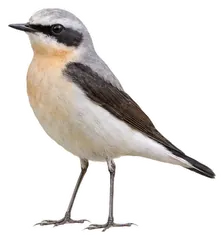 Northern WheatearOenanthe oenanthe
 Atlas WheatearOenanthe seebohmi
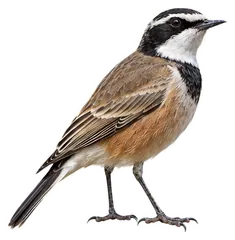 Capped WheatearOenanthe pileata
 Buff-breasted WheatearOenanthe bottae
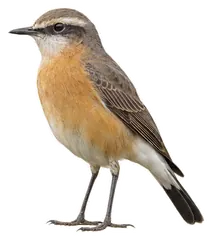 Rusty-breasted WheatearOenanthe frenata
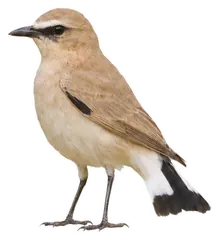 Isabelline WheatearOenanthe isabellina
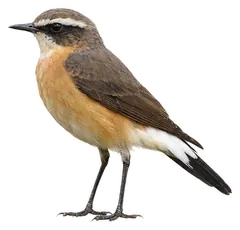 Heuglin's WheatearOenanthe heuglinii
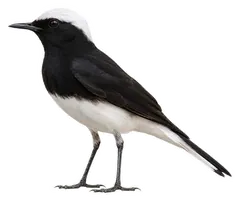 Hooded WheatearOenanthe monacha
 Desert WheatearOenanthe deserti
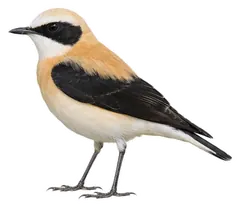 Western Black-eared WheatearOenanthe hispanica
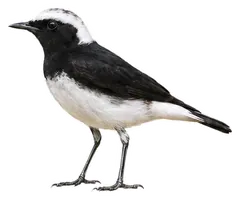 Pied WheatearOenanthe pleschanka
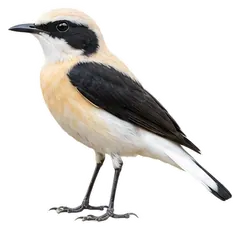 Eastern Black-eared WheatearOenanthe melanoleuca
 WebP · 1070 px
In other languages
- EnglishMourning Wheatear
- 简体中文悲䳭
- 繁體中文悲䳭
- 日本語コシジロサバクヒタキ
- DeutschSchwarzrücken-Steinschmätzer
- FrançaisTraquet deuil
- EspañolCollalba núbica
- Portuguêschasco-fúnebre
- ItalianoMonachella lamentosa
- NederlandsOostelijke Rouwtapuit
- РусскийТраурная каменка
- Svenskasorgstenskvätta
- DanskKlippestenpikker
- Polskibiałorzytka srokata