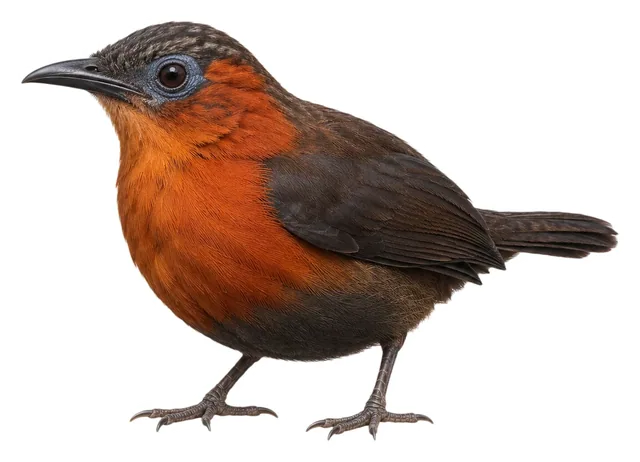
Northern Chestnut-breasted Wren
Cyphorhinus dichrous Sclater, PL & Salvin, 1879
31 gWeight
The northern chestnut-breasted wren (Cyphorhinus dichrous) is a species of passerine bird in the wren family Troglodytidae that is found in central Colombia, Ecuador and northern Peru.
Busiest months: February · Most records: Colombia, Ecuador
AI-generated illustration. It may contain mistakes. · How the stickers are made
Where and when it's recorded

Northern Chestnut-breasted Wren has been recorded at 50 of the 8,171 birding hotspots we track, in 2 countries and regions.
Records by month Northern Hemisphere
Where it's recorded most
- La Florida - Bosque de Las AvesColombia1,109 records
- SFF Otún QuimbayaColombia841 records
- Finca Bosque de NieblaColombia590 records
More places
- Camino Montezuma – Los CajonesColombia503 records
- Las Tangaras ProAves ReserveColombia489 records
- Bosque de Niebla Km. 18Colombia481 records
- Parque Regional Ucumari – El CedralColombia474 records
- Bosque de San AntonioColombia460 records
- Ecolodge La MingaColombia441 records
- PNN Tatamá – Camino MontezumaColombia402 records
Countries and regions with the most records
eBird records via GBIF up to 2024-12-31. A record means someone listed it; more records partly mean more birders, not more birds.
About
The northern chestnut-breasted wren (Cyphorhinus dichrous) is a species of passerine bird in the wren family Troglodytidae that is found in central Colombia, Ecuador and northern Peru. It was formerly considered as a subspecies of the chestnut-breasted wren (Cyphorhinus thoracicus) now renamed the southern chestnut-breasted wren.
Excerpt from Wikipedia, CC BY-SA 4.0 · authors · Read more on Wikipedia
Questions
How big is the Northern Chestnut-breasted Wren?
The Northern Chestnut-breasted Wren weighs around 31 g.
Where does the Northern Chestnut-breasted Wren live?
Its breeding range: South America: central Colombia to northern Peru. It is most often recorded in Colombia and Ecuador.
When is the best time to see the Northern Chestnut-breasted Wren?
At the hotspots we track, it is recorded most in February (Northern Hemisphere).
Is the Northern Chestnut-breasted Wren endangered?
The IUCN Red List classifies the Northern Chestnut-breasted Wren as Least Concern.
What does the Northern Chestnut-breasted Wren eat?
Main food: Insects & other invertebrates.
What family is the Northern Chestnut-breasted Wren in?
It belongs to the family Wrens (Troglodytidae), order Passerines (Passeriformes).
At a glance
- Weight
- 31 g
- Habitat
- Forest
- Diet
- Insects & other invertebrates
- Lifestyle
- Active on the ground
- Migration
- Resident (barely migrates)
- Conservation
- Least Concern
More measurements
- Wing
- 70 mm
- Tail
- 49 mm
- Bill
- 24 mm
- Tarsus
- 28 mm
Averages from the AVONET dataset; length from field guides where available.
Range
South America: central Colombia to northern Peru
Breeding range, IOC World Bird List 15.2
Classification
- Order
- Passerines Passeriformes
- Family
- Wrens Troglodytidae
- Genus
- Cyphorhinus
Other birds in the genus Cyphorhinus
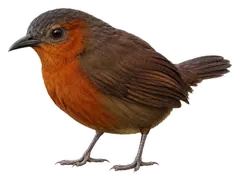 Southern Chestnut-breasted WrenCyphorhinus thoracicus
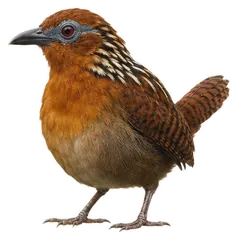 Musician WrenCyphorhinus arada
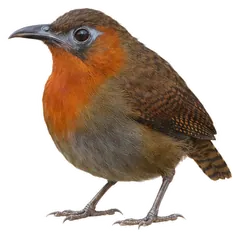 Song WrenCyphorhinus phaeocephalus
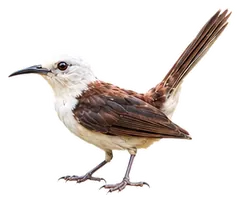 White-headed WrenCampylorhynchus albobrunneus
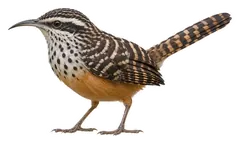 Band-backed WrenCampylorhynchus zonatus
 Grey-barred WrenCampylorhynchus megalopterus
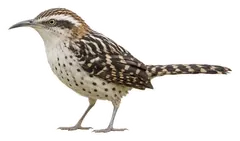 Stripe-backed WrenCampylorhynchus nuchalis
 Fasciated WrenCampylorhynchus fasciatus
 Giant WrenCampylorhynchus chiapensis
 Bicolored WrenCampylorhynchus griseus
 WebP · 1070 px