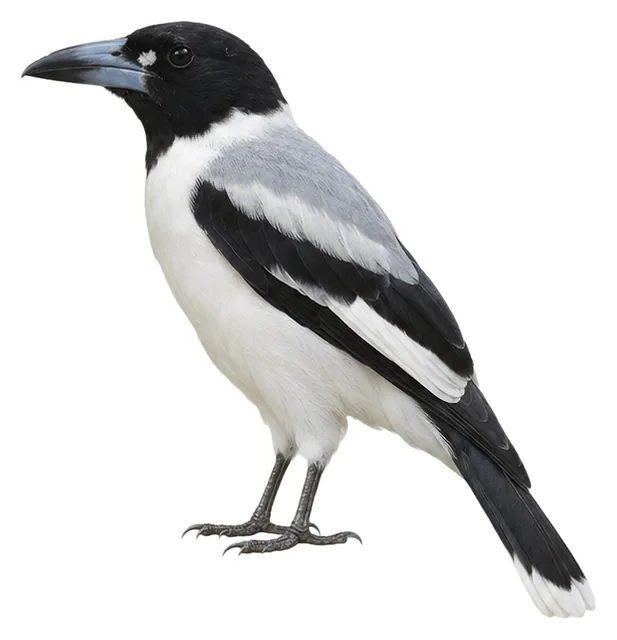
Silver-backed Butcherbird
Cracticus argenteus Gould, 1841
89 gWeight
The silver-backed butcherbird (Cracticus argenteus) is a small, shrike-like bird.
Busiest months: June and August · Most records: Australia
AI-generated illustration. It may contain mistakes. · How the stickers are made
Where and when it's recorded

Silver-backed Butcherbird has been recorded at 9 of the 8,171 birding hotspots we track, in 1 country or region.
Records by month Southern Hemisphere
Where it's recorded most
- Muirhead bushlandAustralia23 records
- Holmes Jungle Nature ReserveAustralia8 records
- Fogg Dam Conservation ReserveAustralia7 records
More places
- Katherine Wastewater Treatment PlantAustralia4 records
- Buffalo CreekAustralia4 records
- George Brown Darwin Botanic GardensAustralia3 records
- Kakadu National Park – Yellow WaterAustralia3 records
- East PointAustralia2 records
- Leanyer PondsAustralia1 record
Countries and regions with the most records
eBird records via GBIF up to 2024-12-31. A record means someone listed it; more records partly mean more birders, not more birds.
About
The silver-backed butcherbird (Cracticus argenteus) is a small, shrike-like bird. It is almost identical to the grey butcherbird (C. torquatus) of which it considered by some authorities to be a subspecies, C. torquatus argenteus.
Excerpt from Wikipedia, CC BY-SA 4.0 · authors · Read more on Wikipedia
Questions
How big is the Silver-backed Butcherbird?
The Silver-backed Butcherbird weighs around 89 g.
Where does the Silver-backed Butcherbird live?
Its breeding range: Australasia: northwestern, north-central Australia. It is most often recorded in Australia.
When is the best time to see the Silver-backed Butcherbird?
At the hotspots we track, it is recorded most in June and August (Southern Hemisphere).
Is the Silver-backed Butcherbird endangered?
The IUCN Red List classifies the Silver-backed Butcherbird as Least Concern.
What does the Silver-backed Butcherbird eat?
Main food: Omnivore.
What family is the Silver-backed Butcherbird in?
It belongs to the family Woodswallows, Butcherbirds & Allies (Artamidae), order Passerines (Passeriformes).
At a glance
- Weight
- 89 g
- Habitat
- Woodland
- Diet
- Omnivore
- Lifestyle
- Perches in trees
- Migration
- Resident (barely migrates)
- Conservation
- Least Concern
More measurements
- Wing
- 145 mm
- Tail
- 111 mm
- Bill
- 40 mm
- Tarsus
- 30 mm
Averages from the AVONET dataset; length from field guides where available.
Range
Australasia: northwestern, north-central Australia
Breeding range, IOC World Bird List 15.2
Classification
- Order
- Passerines Passeriformes
- Family
- Woodswallows, Butcherbirds & Allies Artamidae
- Genus
- Cracticus
Other birds in the genus Cracticus
 Grey ButcherbirdCracticus torquatus
 Black-backed ButcherbirdCracticus mentalis
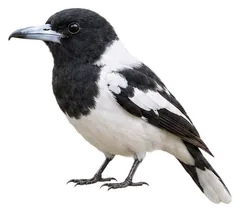 Pied ButcherbirdCracticus nigrogularis
 Hooded ButcherbirdCracticus cassicus
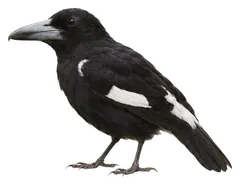 Tagula ButcherbirdCracticus louisiadensis
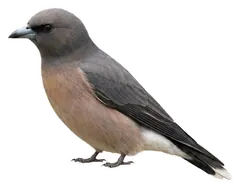 Ashy WoodswallowArtamus fuscus
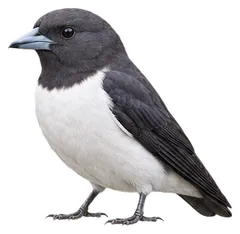 White-breasted WoodswallowArtamus leucorynchus
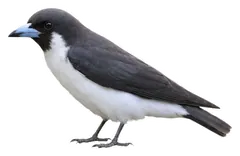 Fiji WoodswallowArtamus mentalis
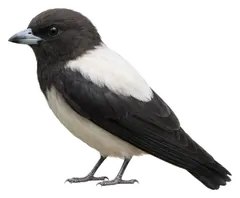 Ivory-backed WoodswallowArtamus monachus
 Great WoodswallowArtamus maximus
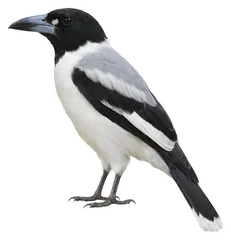 WebP · 1070 px
In other languages
- EnglishSilver-backed Butcherbird
- 简体中文银背钟鹊
- 繁體中文銀背鐘鵲
- 日本語ギンイロモズガラス
- DeutschSilberrücken-Krähenstar
- FrançaisCassican à dos argent
- EspañolVerdugo plateado
- Portuguêsverdugo-prateado
- ItalianoUccello macellaio dorsoargento
- NederlandsZilverrugorgelvogel
- РусскийСереброспинная флейтовая птица
- Svenskasilverryggig törnkråka
- DanskSølvrygget Slagterfugl
- Polskisrokacz jasnogrzbiety