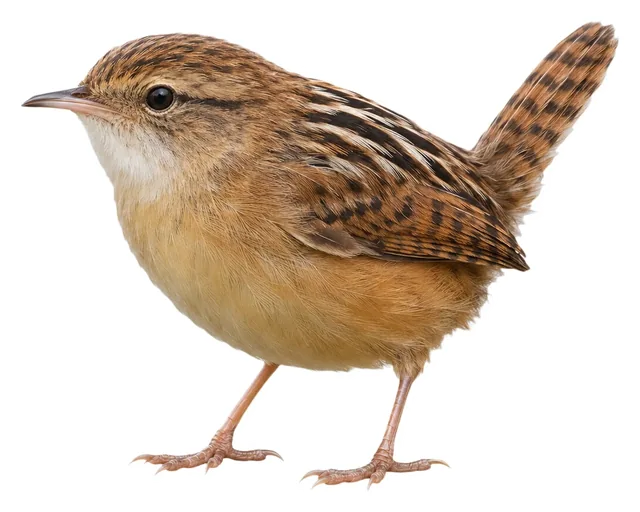
Grass Wren
Cistothorus platensis (Latham, 1790)
10–10 cmLength9 gWeight
The grass wren (Cistothorus platensis) is a species of passerine bird in the family Troglodytidae.
Busiest months: November · Most records: Ecuador, Colombia, Chile
AI-generated illustration. It may contain mistakes. · How the stickers are made
Where and when it's recorded

Grass Wren has been recorded at 183 of the 8,171 birding hotspots we track, in 15 countries and regions.
Records by month Southern Hemisphere
Where it's recorded most
- San Martín de los Andes – Reserva Natural Urbana CotesmaArgentina933 records
- Hacienda El BosqueColombia928 records
- PNN Los Nevados - Centro de Visitantes BrisasColombia887 records
More places
- PN Antisana – Micacocha, control y alrededoresEcuador783 records
- SN Humedal Río Maipo – DesembocaduraChile779 records
- Hotel Termales del RuízColombia767 records
- Papallacta – radio antennasEcuador639 records
- Bosque de San Carlos/La VirginiaColombia630 records
- Giles Fuertesi Proaves ReserveColombia620 records
- AntisanaEcuador611 records
Countries and regions with the most records
eBird records via GBIF up to 2024-12-31. A record means someone listed it; more records partly mean more birders, not more birds.
About
The grass wren (Cistothorus platensis) is a species of passerine bird in the family Troglodytidae. It is widely distributed in central and southern America.
Excerpt from Wikipedia, CC BY-SA 4.0 · authors · Read more on Wikipedia
Questions
How big is the Grass Wren?
The Grass Wren is about 10–10 cm long and weighs around 9 g.
Where does the Grass Wren live?
Its breeding range: Middle America, South America: widespread. It is most often recorded in Ecuador, Colombia and Chile.
When is the best time to see the Grass Wren?
At the hotspots we track, it is recorded most in November (Southern Hemisphere).
Is the Grass Wren endangered?
The IUCN Red List classifies the Grass Wren as Least Concern.
What does the Grass Wren eat?
Main food: Insects & other invertebrates.
What family is the Grass Wren in?
It belongs to the family Wrens (Troglodytidae), order Passerines (Passeriformes).
At a glance
- Length
- 10–10 cm
- Weight
- 9 g
- Habitat
- Grassland
- Diet
- Insects & other invertebrates
- Lifestyle
- Perches in trees
- Migration
- Partial migrant
- Conservation
- Least Concern
More measurements
- Wing
- 46 mm
- Tail
- 47 mm
- Bill
- 15 mm
- Tarsus
- 20 mm
Averages from the AVONET dataset; length from field guides where available.
Range
Middle America, South America: widespread
Breeding range, IOC World Bird List 15.2
Classification
- Order
- Passerines Passeriformes
- Family
- Wrens Troglodytidae
- Genus
- Cistothorus
Other birds in the genus Cistothorus
 Sedge WrenCistothorus stellaris
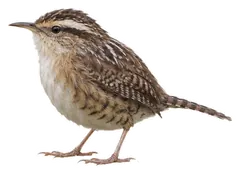 Merida WrenCistothorus meridae
 Apolinar's WrenCistothorus apolinari
 Marsh WrenCistothorus palustris
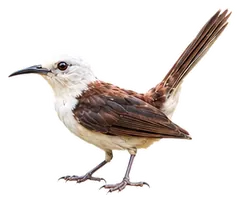 White-headed WrenCampylorhynchus albobrunneus
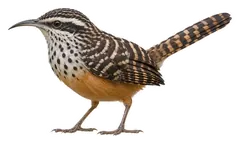 Band-backed WrenCampylorhynchus zonatus
 Grey-barred WrenCampylorhynchus megalopterus
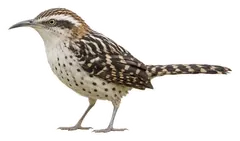 Stripe-backed WrenCampylorhynchus nuchalis
 Fasciated WrenCampylorhynchus fasciatus
 Giant WrenCampylorhynchus chiapensis
 WebP · 1070 px
In other languages
- EnglishGrass Wren
- 简体中文短嘴沼泽鹪鹩
- 繁體中文短嘴沼澤鷦鷯
- 日本語コバシヌマミソサザイ
- DeutschPampazaunkönig
- FrançaisTroglodyte de Latham
- EspañolCucarachero sabanero
- Portuguêscorruíra-do-campo
- ItalianoScricciolo pagliarolo
- NederlandsGraswinterkoning
- РусскийТравяной крапивник
- Svenskagräsgärdsmyg
- DanskKortnæbbet Græssmutte
- Polskistrzyżyk nadrzeczny