
What Is Limoncello? (History & Origin Explained)
The story of this Italian lemon liqueur began along the Amalfi Coast, where rocky hillsides produced bright fruit with deep aroma. Families guarded their methods like treasure, yet the spirit stayed simple. Each glass carried sunshine and tradition. Over time Americans fell in love with the glow, and the limoncello recipe became a favorite craft drink at home.
As travelers returned from Italy, they brought memories of chilled sips shared after meals as an Italian digestif. This sparked growing interest in the USA for citrus drinks made by hand. People enjoyed how easy it was to follow a homemade limoncello recipe. The flavor felt bold, friendly, and refreshing.
Key Ingredients Needed to Make Limoncello
Every authentic limoncello recipe begins with fresh organic lemons, because clean skin improves the infusion. Their oils hold strong aroma, which lifts the entire drink. The peel carries power, and the juice stays for other uses. Many home cooks choose meyer fruit for softer sweetness, giving gentle charm to this citrus-infused liqueur.
The second major element is high-proof vodka, which supports the alcohol infusion process. Stronger alcohol extracts citrus oils quickly and creates smooth texture. Alongside this, simple syrup for limoncello controls sweetness and thickness. These core lemon liqueur ingredients shape the final taste.
Step-by-Step Guide: How to Make Traditional Limoncello at Home
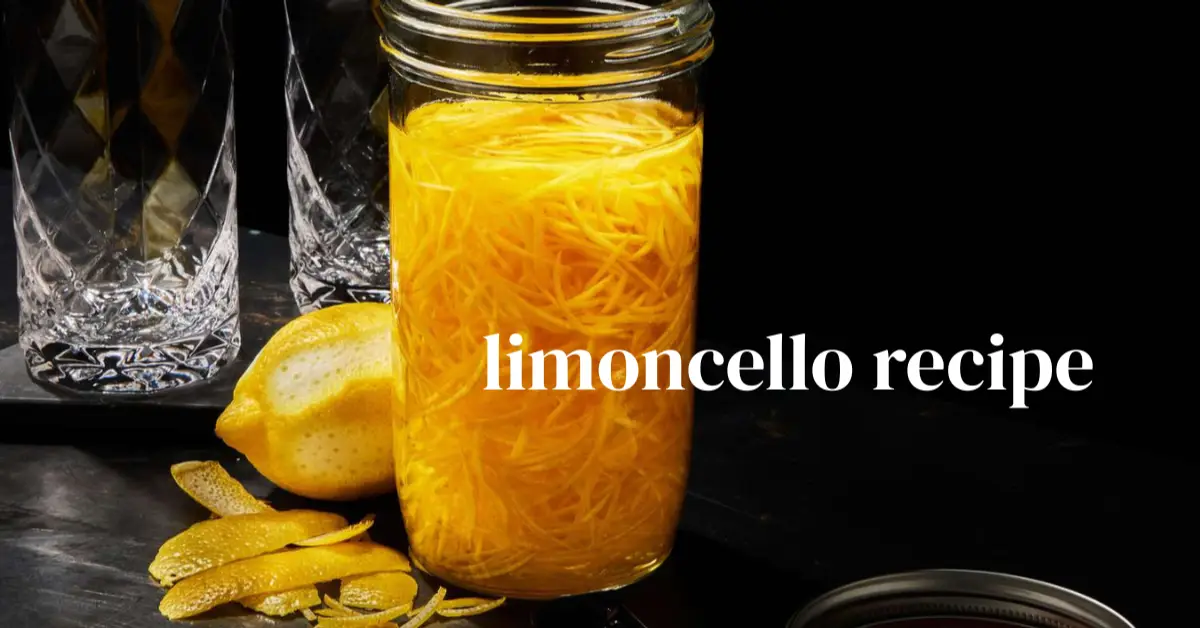
At the start, creators peel the lemons with care. A slow stroke avoids bitterness and keeps zest bright. Many choose a fine tool because it limits mistakes. This early work affects the whole drink, so attention matters. After peeling, the zest rests inside a lemon peels jar. This helps steady the citrus zest extraction for deeper taste.
Next comes the vodka infusion, a patient method where pure alcohol hugs the oils. Most makers let it sit for weeks because time builds strength. After that, they filter the mixture using coffee filter straining to remove particles. Then comes sweetness through a warm sugar syrup mixture. As it cools, the syrup blends with the filtered spirit until flavor feels balanced.
Authentic Italian Method: Nonna’s Limoncello Technique
In old villages, elders used the vegetable peeler technique with calm movements. They avoided the pith because it tasted sharp. Traditional cooks believed slower steps created better drinks. They focused on purity and scent. Nonna often said that lemons could “sing” when peeled the right way, which added charm to this traditional limoncello ritual.
Nonna’s method valued the long infusion period. She stored jars away from heat and waited until color deepened. Her stirring was gentle and rare. She only finished when aroma felt bold enough. Once complete, she mixed syrup by hand before chilling it into a smooth-sipping liqueur ready for joyful sharing.
Expert Tips, Tricks & Helpful Swaps
Makers often fix the drink by adjusting sweet or tart notes. A little more syrup softens sharp edges, while more infusion increases punch. Changing lemons to meyer fruit creates a friendly meyer lemon limoncello that tastes soft and warm. Some swap citrus entirely when they crave variety. The flavor becomes unique without losing the heart of the drink.
Creating better results depends on avoiding bitterness. Too much pith ruins flavor, so careful handling helps. Those using softer alcohol may choose 80-proof vs 100-proof vodka based on strength. Mild alcohol needs shorter infusion but lighter sweetness. Stronger alcohol needs extra syrup to create balance. Each choice changes the final profile.
You can also read about: Mango Sticky Rice Recipe
Limoncello Video Recipe (Watch Step-by-Step)
A video makes the process clear because viewers see how to infuse alcohol with steady motion. The camera catches each peel movement and shows the color shift during infusion. Watching this makes the limoncello recipe feel easier and more enjoyable for beginners.
The demonstration also reveals details that words may miss. People can see how slowly syrup pours, how zest curls in the jar, and how the mixture looks before filtering. These visual cues help create a DIY limoncello that feels more confident and accurate.
How to Serve Limoncello the Right Way
Serving limoncello cold makes it smell better and taste smoother. Many people in the USA put the bottle in the freezer before guests arrive because it keeps the drink fresh and bright. The cold limoncello becomes thick and silky, which is perfect for warm days or relaxing after dinner.
People usually drink limoncello in small glasses. It tastes good by itself or in simple mixed drinks. Many enjoy trying fun limoncello cocktails, like bubbly drinks, fruity mixes, or creamy versions. These choices make the drink enjoyable while still keeping its original Italian flavor.
Storage Instructions & Shelf Life
Good storage protects flavor. Makers often store in fridge or freezer because cold temperatures preserve oils and color. Freezing extends life for months, helping maintain quality. This guards the spirit from fading aroma.
When sealed tightly, the drink stays fresh for long periods. Some people call this limoncello storage a simple science. Clean bottles and consistent cold prevent issues. If taste changes or color darkens, a new batch is safer.
Is Homemade Limoncello Safe?
The drink stays safe because alcohol protects it during the alcohol infusion process. High strength prevents unwanted growth. Clean hands, clean jars, and fresh fruit help prevent contamination. This makes the method safe for home kitchens.
People often ask, Is homemade limoncello safe? Yes, when stored correctly and handled carefully. If the drink smells strange or develops residue, it should be thrown away. This keeps health risks low and preserves trust in home-made spirits.
Best Bottling Supplies & Packaging Ideas
Beautiful bottles make homemade gifts feel extra special. Many people buy limoncello bottles online because they are strong and have tight lids. Clear bottles are popular because they show the bright yellow drink inside. Some people add simple labels with the name and the date.
Giving these bottles as gifts feels warm and friendly. Adding ribbons or tags makes them look even nicer. Many families in the USA like giving homemade drinks during holidays because it shows care and kindness. This makes the limoncello recipe feel even more special.
Frequently Asked Questions (FAQs)
Q1. Which alcohol is best for limoncello?
High-proof vodka or grain alcohol works best because it pulls out strong lemon flavor and gives a smooth finish.
Q2. What’s the secret to great limoncello?
Use fresh organic lemons, remove all the white pith, and let the lemon peels infuse long enough for full flavor.
Q3. What are the ingredients for limoncello?
You only need lemons, vodka, sugar, and water to make this simple Italian lemon liqueur.
Q4. How to make perfect limoncello?
Peel the lemons gently, infuse the vodka slowly, and mix it with cooled simple syrup for a balanced taste.
Q5. What are some common mistakes when making limoncello?
Using lemons with pesticides, leaving the white pith on the peel, rushing the infusion, or adding hot syrup can weaken the flavor.
You can also read about: How Much Is Urgent Care Without Insurance? Full Breakdown for the Uninsured in the U.S.
1 thought on “Limoncello Recipe – The Ultimate USA Guide”