
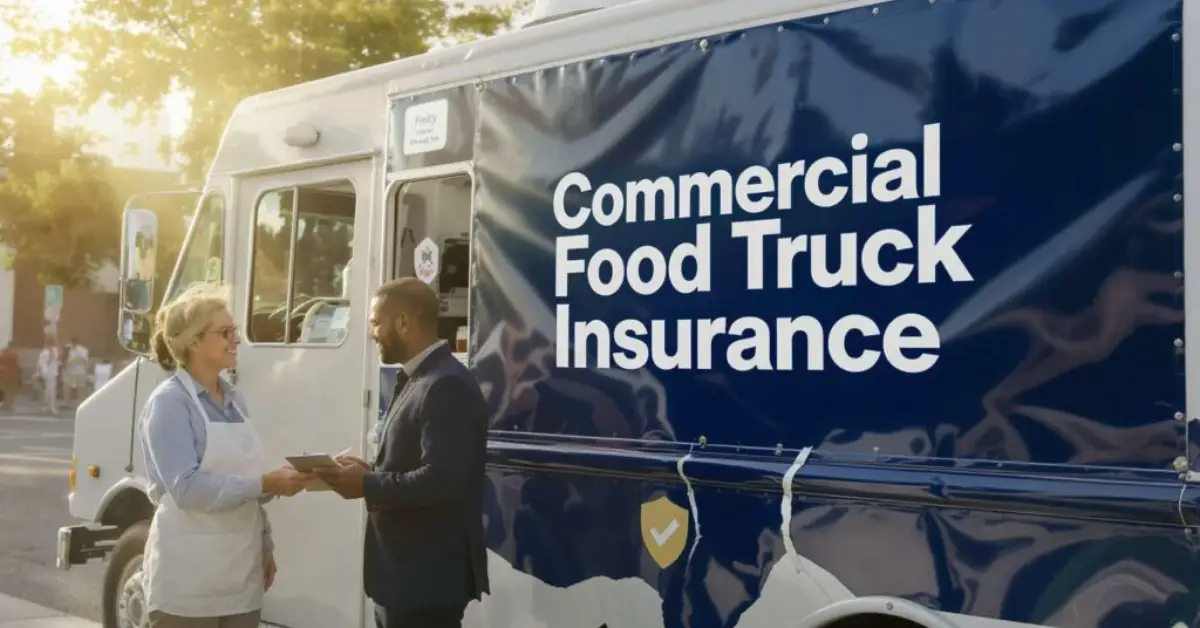
What Is Food Truck Insurance? (Simple Explanation for Owners)
Commercial food truck insurance protects your mobile kitchen from risks like fire, accidents, and customer injuries. It covers damages through food truck insurance, mobile food truck insurance, and commercial food truck insurance to help you protect my food truck business with confidence during daily operations.
This coverage works like small business insurance, offering support after coverage for food truck accidents or unexpected losses. Many owners use food vendor insurance, catering truck insurance, and concession truck insurance to stay compliant. These policies reduce stress when facing food truck claims and lawsuits that can harm your business.
Understanding Commercial Food Truck Insurance for First-Time Buyers
First-time owners often look for simple protection such as food truck liability coverage or general liability for food trucks. These policies shield you from risks like customer injury at a food truck or slip-and-fall incidents near food trucks during busy service hours.
Why Food Truck Insurance Matters for Your Business
Strong food truck business insurance helps secure your future during accidents, damages, or customer injuries. Many owners face risks like spills, burns, or equipment failure in a food truck, so having food truck risk protection ensures financial stability. This is vital when managing high-pressure cooking environments.
Insurance matters because even one spoiled food liability incident can shut down operations. Coverage like food truck property insurance or perishable food coverage ensures your business survives setbacks. It also helps when handling legal fees for food truck lawsuits or unexpected repair costs after breakdowns.
Key Risks Faced by Food Trucks Across the USA
Common threats include fire, grease hazards, or road mishaps that require insurance for driving food trucks. Proper coverage helps manage medical costs after food truck accident events, keeping your operations safe and financially secure nationwide.
What Types of Food Truck Insurance Do You Need?
Essential coverage includes general liability for food trucks, commercial auto insurance for food trucks, and workers’ compensation for food trucks. These policies protect you from claims involving customer injury at a food truck or coverage for work-related injuries when staff get hurt on the job.
Additional coverage like liquor liability for mobile vendors, equipment breakdown insurance, and food spoilage insurance helps handle issues such as broken refrigeration claims or alcohol-related injury at food truck event gatherings. These policies strengthen your financial defense against losses.
Essential Commercial Policies Required for Food Trucks Nationwide
Most operators choose a business owner’s policy (BOP) because it bundles liability and property protection together. This package supports owners dealing with food truck claims and lawsuits or operational interruptions involving staff or equipment.
How Much Does Food Truck Insurance Cost? (Full Pricing Breakdown)
Insurance costs depend on location, experience, and truck size. Many pay between $150 and $300 monthly for commercial food truck insurance or mobile food truck insurance that covers coverage for food truck accidents and equipment damage. High-risk regions often require stronger protection.
Some trucks need additional food vendor insurance or insurance for food delivery businesses, raising prices slightly. Policies covering employee injury on the job or wrongful termination claims in food trucks may also increase annual premiums. These adjustments help build safer working environments.
Typical Cost Ranges for USA Food Truck Operators
Standard plans often include a business owner’s policy (BOP) and liability coverage. These help control costs after medical costs after food truck accident events and give essential financial support for long-term business health.
How Food Truck Insurance Costs Are Calculated?
Pricing depends on your truck’s value, location, menu style, and past claims. Vendors offering fried foods may pay more for food truck insurance due to higher risks. Policies covering equipment failure in a food truck or perishable food coverage also influence costs.
Operators with multiple employees often require workers’ compensation for food trucks, which protects against coverage for work-related injuries. Your driving record affects commercial auto insurance for food trucks, especially if past accidents involved coverage for food truck accidents on busy streets.
Factors That Influence Commercial Food Truck Insurance Pricing
Claims history, truck age, and hazardous cooking equipment impact premiums. Many carriers increase rates after repeated broken refrigeration claims or incidents involving food truck claims and lawsuits tied to customer injuries.
Who Needs Food Truck Insurance?
Owners of food trucks, catering vans, dessert trailers, BBQ smokers, and concession carts need food truck business insurance. This includes anyone preparing meals in mobile units or handling outdoor events where customer injury at a food truck is possible.
Vendors offering alcohol must consider liquor liability for mobile vendors, especially at festivals. Delivery operators require insurance for food delivery businesses to protect drivers. Even operators with small menus still need lunchtime truck insurance to prevent unexpected costs.
Table: Types of Mobile Food Businesses That Require Insurance
| Type of Mobile Food Business | Why Insurance Is Needed |
|---|---|
| Food Trucks | High risk of accidents, fires, and customer injuries |
| Catering Trucks | Protects equipment, staff, and event operations |
| Concession Trailers | Covers property damage and liability at fairs & events |
| Lunch Trucks / Meal Wagons | Needed for daily serving risks and food safety issues |
| Dessert Trucks (Ice Cream, etc.) | Protects against spoilage and slip-and-fall claims |
| BBQ Smokers / Grill Trailers | Fire hazards require strong liability coverage |
| Coffee & Beverage Trucks | Equipment breakdown and customer injury risks |
| Mobile Pop-Up Kitchens | Covers temporary setups and rented spaces |
| Shaved Ice / Snow Cone Trucks | Protects machinery and customer interactions |
| Food Delivery Vans | Requires commercial auto and food spoilage insurance |
You can also read about: Temporary Motorhome Insurance
Protecting Your Food Truck Property, Equipment & Assets
Property insurance protects cooking gear, generators, grills, and refrigeration units. Many owners choose food truck property insurance or catering truck insurance for damages caused by storms or vandalism. This protection helps after unexpected equipment failure in a food truck.
Food spoilage is a serious concern for trucks storing fresh ingredients. Policies like food spoilage insurance or perishable food coverage support vendors experiencing spoiled food liability or broken refrigeration claims that could cause major financial losses.
Coverage Options for Trucks, Trailers, Gear & Onboard Systems
Protection includes replacement for damaged equipment, structural repairs, and support during food truck claims and lawsuits when property damage affects customers or event partners.
Taking Care of Your Food Truck Team (Employee Protection)
Employees face burns, cuts, and slips during service. Vendors choose workers’ compensation for food trucks to support staff after coverage for work-related injuries. This helps pay medical bills if an employee injury on the job occurs while cooking or serving customers.
Some employers add policies protecting their team from wrongful termination claims in food trucks. These options help maintain trust and increase stability. Staff protection also improves service quality by reducing stress during busy operations.
Insurance Requirements for Workers in Mobile Food Businesses
Most states require coverage if employees handle equipment or drive the truck. These policies help manage medical costs after food truck accident situations involving staff members.
Covering Your Food Truck Operations & Daily Activities
Operational coverage includes general liability for food trucks to handle spills, burns, or slip-and-fall incidents near food trucks. This coverage protects owners during busy lunch hours or crowded festival events with large customer traffic.
Commercial auto plans help during on-road mishaps. Many choose insurance for driving food trucks to support claims after collisions. These policies reduce stress when handling legal fees for food truck lawsuits tied to operational risks.
Liability Protection for Daily Food Truck Operations
Liability insurance helps manage claims involving customer injury at a food truck or accidental burns during routine service. It ensures business safety throughout the day.
How to Choose the Right Food Truck Insurance Provider
Look for insurers offering flexible plans for mobile food truck insurance, concession truck insurance, and food vendor insurance. Strong providers help owners facing food truck claims and lawsuits or equipment losses needing quick approval.
Compare service reviews, pricing, and claim response times. Many choose companies experienced in food truck risk protection to avoid delays during emergencies. Good support ensures smooth recovery after unexpected incidents.
What to Look for When Comparing USA Insurance Companies
Choose providers with fast payouts, strong customer support, and options for equipment breakdown insurance. These features help reduce downtime after accidents.
Real Customer Experiences & Success Stories
One vendor avoided major loss thanks to quick coverage for food truck accidents after a fire. Their insurer repaired equipment fast which helped them reopen quickly. Strong commercial food truck insurance support saves time and money during stressful situations.
Another operator used general liability for food trucks to handle a customer injury at a food truck without losing their business. Proper coverage helped pay medical bills and legal fees while protecting long-term income.
Examples of How Food Truck Insurance Helped Operators
Insurance paid for repairs after equipment failure in a food truck and provided support when spoiled goods caused spoiled food liability concerns.
How to Get a Quote for Food Truck Insurance (Step-by-Step Guide)
Start by listing your equipment, truck value, and staff count. Share these details with providers offering food truck insurance or food truck business insurance. This helps insurers calculate fair rates and provide plans suited for food truck risk protection needs.
Then compare quotes for commercial auto insurance for food trucks, workers’ compensation for food trucks, and business owner’s policy (BOP) options. Choosing wisely helps prevent issues like legal fees for food truck lawsuits or emergency repair bills.
Simple Steps to Apply for Commercial Food Truck Insurance
Request quotes, compare coverage, then select a plan that shields you from coverage for food truck accidents and equipment failures. Good insurance protects daily operations.
1 thought on “Commercial Food Truck Insurance: Complete Guide for USA”