
Introduction
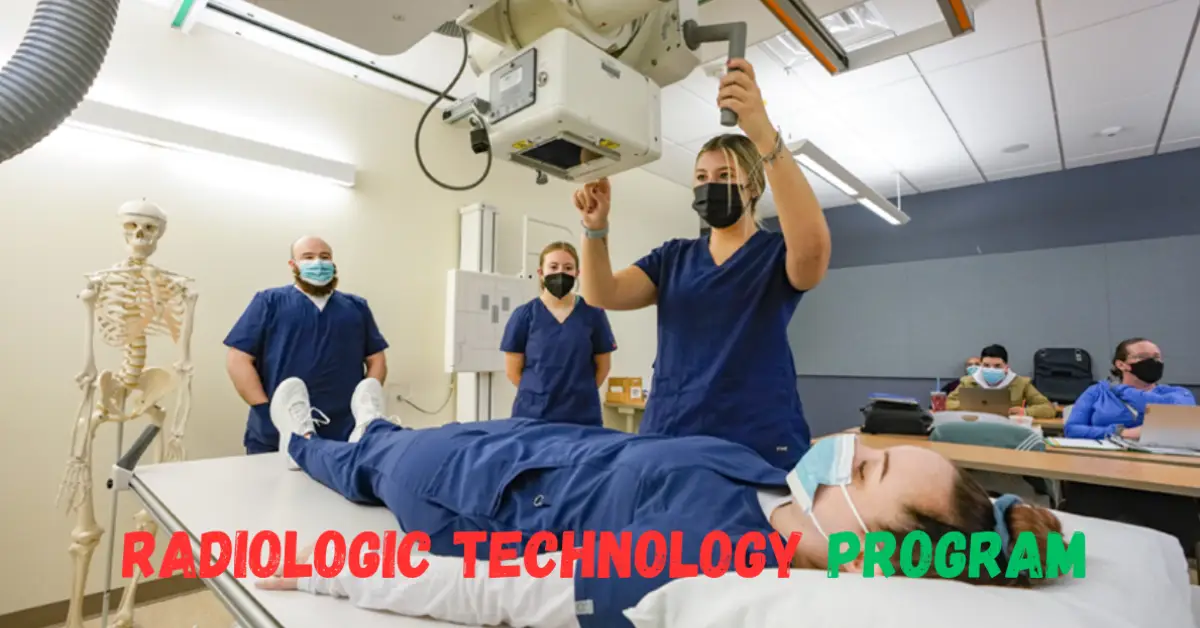
A radiologic technology program trains students to take medical images like X-rays, CT scans, and MRIs. These images help doctors find and treat problems inside the body. This field is important in every hospital and clinic today. People who complete this program become skilled in patient care and modern imaging equipment. A radiologic technologist career path offers strong job growth, good pay, and flexible work hours.
Many students earn an AAS in Radiologic Technology and then specialize in areas like MRI or CT. This guide explains how to start, what to expect, and how to succeed in an accredited radiologic program.
What Is Radiologic Technology?
A radiologic technologist is trained to perform diagnostic X-ray procedures safely and accurately. They use advanced machines to take detailed images of bones, organs, and soft tissues. These images help doctors diagnose fractures, infections, or even tumors.
The field includes different types of imaging, like Computed Tomography (CT), Magnetic Resonance Imaging (MRI), mammography, and fluoroscopy. These imaging tools are critical in almost every hospital and clinic today. That’s why radiologic technology plays such a vital role in the medical imaging field and modern healthcare.
Why Choose a Career in Radiologic Technology?
There’s high demand for skilled techs across the U.S. The radiologic technologist job outlook is strong, especially in urban areas and growing regions. The U.S. Bureau of Labor Statistics expects continued growth due to an aging population and advanced imaging needs.
In terms of pay, the average radiologic technologist earns between $60,000–$75,000 annually. In states like Colorado, salaries are even higher. Plus, the job comes with benefits like job security, flexible shifts, and career advancement through CT and MRI certification programs.
Radiologic Technologist vs Radiologist: What’s the Difference?
A radiologic technologist performs the imaging. A radiologist is a medical doctor who reads the images. Techs often work directly with patients, helping them stay comfortable during procedures.
Educational paths also differ. Techs complete a radiologic technology associate degree, while radiologists attend medical school. The difference in salary is large, but so is the training time. Both careers are essential in the healthcare imaging career field.
UCHealth School of Radiologic Technology Overview
UCHealth offers one of the top accredited radiologic programs in Colorado. The school operates on two campuses: Colorado Springs and the Denver/Aurora area. These locations serve a wide area and provide access to modern clinical sites.
What sets UCHealth apart is its hands-on focus. Students train with real patients during their clinical internship experience, working in busy hospitals and clinics. Their high radiologic technology job placement rate shows the program’s success and strong reputation.
Accreditation of Radiologic Technology Programs
A school’s JRCERT Accreditation is a must. It shows that the program meets national standards for safety, education, and student success. Always check if your program is recognized before applying.
To verify a school’s credentials, visit the JRCERT website. You’ll find approved schools, including those offering a radiology technician program, across the U.S. Accreditation helps ensure you’re eligible for the ARRT Certification, which is needed to work legally in most states.
Radiologic Technology Admission Requirements
Each program has unique entry rules, but many follow similar steps. You’ll often need a 2.5 GPA or higher, a high school diploma or GED, and pre-requisite courses for radiologic tech such as anatomy and algebra.
Other requirements might include immunization records, background checks, and interviews. At UCHealth, the radiologic tech application process includes transcripts, test scores, and a clean medical history. Following the application cycle: Dec 1 – Feb 15, deadlines are strict.
Multi-Phase Admissions Process Explained
Getting into a competitive healthcare program in the USA often means passing several steps. First, you submit your application and documents. Then, selected students attend an interview or orientation session.
After that, final selection is based on grades, communication skills, and sometimes test scores. Because programs like the radiologic program in Arvada Colorado are limited in seats, not all applicants are accepted on the first try.
Radiologic Technology Program Curriculum at a Glance
Most radiologic science programs are five semesters long and lead to an Associate of Applied Science (AAS) degree. Classes include radiographic procedures, radiation physics, anatomy, and patient care.
You’ll also complete radiology clinical rotations where you work in hospitals under supervision. Before graduation, you’ll take a capstone registry review course to prepare for the radiography certification exam from ARRT. Here’s a sample breakdown:
| Semester | Courses |
| 1 | Anatomy, Patient Care, Intro to Radiography |
| 2 | Radiographic Procedures I, Physics, Image Production |
| 3 | Radiographic Procedures II, Pathology, Clinical Rotation |
| 4 | Radiation Protection, Positioning Labs, Clinical Internship |
| 5 | Capstone Review, Advanced Imaging, Final Internship, Exit Competency |
Certificate Options: Magnetic Resonance Imaging (MRI)
After graduation, many techs choose to specialize. Earning a Magnetic Resonance Imaging (MRI) certificate adds a new skill and can raise your salary. These programs usually last 1–2 semesters.
Other paths include Computed Tomography (CT) or the Mammography Certificate, all of which expand your options. Many schools now offer a medical imaging certificate or continuing education to keep your skills fresh.
Accessibility and Student Support Services
Top schools provide support for every learner. Services include tutoring, disability accommodations, academic counseling, and career advising. This ensures equal access for all.
Programs also offer online radiologic tech program options for lecture classes. Hybrid models mix in-person clinicals with online learning, helping students balance school with other responsibilities.
FAQs
Q1. How fast can you become a radiology tech?
You can become a radiology tech in about 2 years by completing an AAS in Radiologic Technology.
Q2. How many years does radiology take?
Most programs take 2 years, but advanced specialties or degrees may take 3 to 4 years.
Q3. Is the radiology tech program worth it?
Yes, it offers good pay, job security, and a strong future in the healthcare field.
Q4. How do I become a radiology tech in Wisconsin?
Complete an accredited radiology program, pass the ARRT exam, and apply for state licensure.
Q5. Who gets paid more, RN or radiology?
RNs usually earn more, but radiology techs also have great salaries and career growth.
Q6. Is the radiologic technology program hard?
It requires focus and effort, but support systems make it manageable.
Conclusion: Is Radiologic Technology Right for You?
If you’re looking for a stable, rewarding job in healthcare, a radiologic technology program might be the perfect fit. You’ll work with advanced tools, help people every day, and have room to grow in your career.
With strong job demand, flexible learning options, and many pathways like radiation therapy career or radiologist assistant (RA), this field opens many doors. Start by exploring programs, gathering your documents, and attending an info session. Your future in medical imaging starts now.