
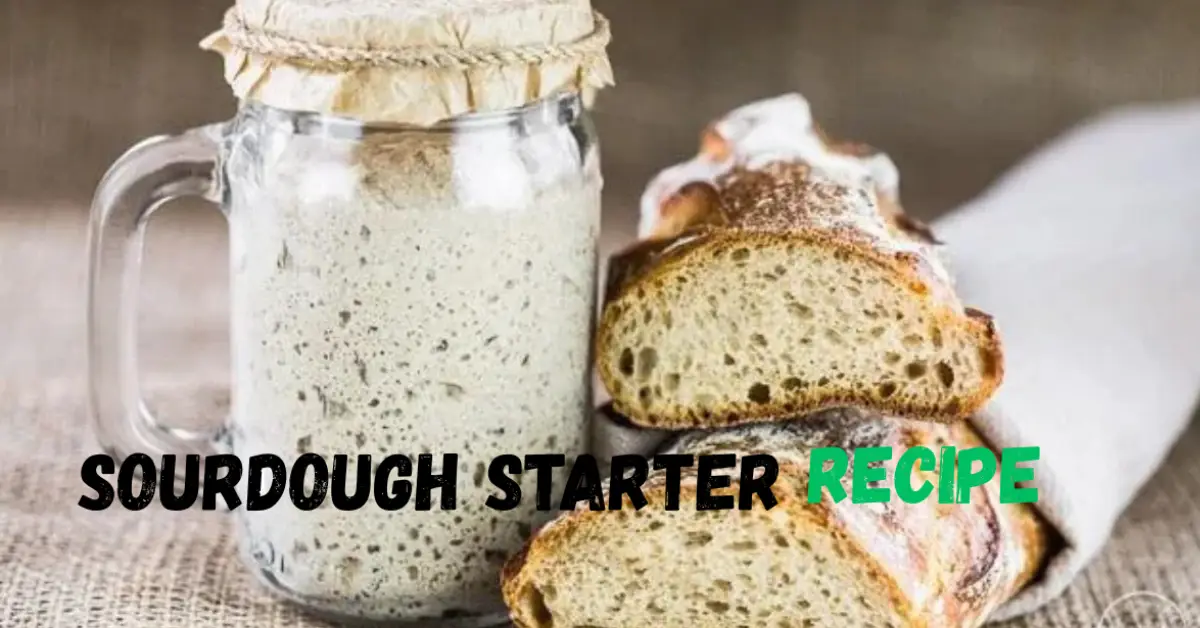
Creating a sourdough starter recipe at home can seem daunting at first, but with the right instructions, it’s simpler than you might think. This guide will take you through everything you need to know, from how to make a sourdough starter from scratch to maintaining it for years of delicious sourdough bread. So, let’s get started and dive into the world of wild yeast and bubbly starter.
1. What is a Sourdough Starter?
A sourdough starter is the foundation for baking traditional sourdough bread. It’s a fermented culture of flour and water, where natural wild yeast and bacteria from the environment combine to create the perfect leavening agent. The starter allows bread to rise without relying on store-bought yeast, giving it that unique flavor and texture.
The key to a great starter is patience. Over several days, you’ll cultivate wild yeast and bacteria, which will eventually grow into an active sourdough starter. As the fermentation process takes place, the starter becomes bubbly, creating the perfect environment for baking sourdough bread.
1.1. How Long Will It Take?
Creating a sourdough starter takes time. You will usually need 7-10 days to develop an active starter. The first few days are spent building up the yeast and bacteria in the starter, while the following days focus on feeding it to help it grow and become strong. While it’s not an instant process, the rewards of fresh, homemade sourdough bread make the wait worthwhile.
2. What You’ll Need
Before you begin, gather the necessary ingredients and tools to create your sourdough starter. You don’t need anything fancy—just a few basic items that are easy to find.
2.1. Flour and Water
To make a sourdough starter, you’ll need two simple ingredients: flour and water. The type of flour you use plays an important role in how the starter ferments. Whole wheat flour is recommended to jumpstart fermentation due to its higher nutrient content, while bread flour or all-purpose flour can be used for ongoing feedings. For the best results, use filtered water to avoid chlorine, which can affect the yeast’s growth.
2.2. Tools Needed
You don’t need any complicated equipment to make a sourdough starter. You’ll need a clean jar or container to hold the starter, a spoon or spatula to stir, and a cloth to cover the jar. If possible, use a kitchen scale to measure the ingredients accurately. A scale ensures you get the right proportions for each feeding, which is important for maintaining a healthy starter.
3. Step-by-Step Instructions
Making your sourdough starter involves a few simple steps. Over the course of several days, you’ll mix, feed, and discard parts of the starter to help it grow. Here’s how you do it.
3.1. Day 1: Mix Flour and Water
On the first day, mix 60g of whole wheat flour with 60g of water in your jar. Stir it until smooth, and then cover it loosely with a cloth. Let it sit at room temperature for 24 hours. At this stage, you’re just introducing the wild yeast into the mixture, so don’t expect much action yet.
3.2. Day 2: Stir
On Day 2, check your starter for any bubbles. If you don’t see any yet, don’t worry—it might take a little longer. Stir the mixture to aerate it and cover it again. By now, you might start to see some small bubbles, indicating the fermentation process is starting. Leave it in a warm spot, around 70-75°F (21-24°C).
3.3. Days 3-7: Discard and Feed Daily Until Active
Starting on Day 3, it’s time to discard half of your starter and feed it with fresh flour and water. Continue this daily for 4 to 5 days, using the same ratio of flour and water. Discarding part of the starter helps to maintain the right balance of wild yeast and bacteria, while also preventing the starter from becoming too large. Over the next few days, you’ll see more bubbles, and the starter will grow.
3.4. How Do I Know When the Sourdough Starter is Ready?
Your starter is ready when it’s doubled in size, bubbly, and has a pleasant, slightly sour smell. It should have a spongy texture, like marshmallows, and should rise to the top of the jar within a few hours of feeding. At this point, your sourdough starter is active and ready for use in baking.
4. How to Maintain a Sourdough Starter
Once you’ve created your sourdough starter, it’s important to take care of it. To keep it healthy, feed it regularly, and store it properly.
You can store your sourdough starter at room temperature if you bake often, or in the fridge if you bake less frequently. If stored in the fridge, you only need to feed it once a week. When you’re ready to bake, bring it to room temperature and feed it at least once before using it in your bread recipes.
5. FAQs about Sourdough Starter Recipe
There are always a few questions that pop up when making a sourdough starter. Here are answers to some of the most common ones.
Q1. How Can I Create a Warm Spot in My Kitchen for My Sourdough Starter?
A warm, stable environment is key to growing a healthy sourdough starter. If your kitchen is too cold, try placing the jar in a turned-off oven with the light on. Alternatively, a microwave with the door slightly ajar or a countertop proofing box set to 75°F will work well.
Q2. What if My Kitchen is Too Warm?
If your kitchen is too warm, your starter might ferment too quickly, which could lead to over-fermentation. To avoid this, try placing your starter in a cooler area of the kitchen, or consider using the fridge for storage to slow down the process.
Q3. Why Do I Have to Discard or Remove the Starter When Feeding?
Discarding part of your sourdough starter recipe is necessary to maintain the right balance of wild yeast and bacteria. It also helps prevent your starter from becoming too large, making it easier to manage.
Q4. How to store sourdough starter in the fridge for long-term use?
To store your sourdough starter in the fridge, feed it once a week, cover it tightly, and let it rest in the fridge until you’re ready to use it again.
Q5. What is the biggest mistake you can make with your sourdough starter?
The biggest mistake is not feeding the starter regularly, or using chlorinated water, which can slow down fermentation and affect its growth.
Q6. What is the 1:1:1 rule for sourdough starter?
The 1:1:1 rule means feeding your starter with equal parts of flour, water, and starter by weight (e.g., 60g flour, 60g water, 60g starter).
Learn More about recipes tips and making process click here.
6. Sourdough Baking Resources
If you’re interested in taking your sourdough baking skills further, there are plenty of resources available. From books to online courses and videos, there’s no shortage of information to help you bake the perfect loaf. Check out resources like Artisan Sourdough Made Simple by Emilie Raffa for expert tips.
7. Beginner Sourdough Starter Recipe
Here’s a simple Beginner sourdough starter recipe with step-by-step instructions to get you started on your sourdough journey.
Ingredients:
- 60g whole wheat flour
- 60g water
- 60g all-purpose flour (for feedings)
Instructions:
- Day 1: Mix 60g of whole wheat flour and 60g of water in a jar. Stir until smooth and cover.
- Days 2-7: Discard half of the starter each day, then feed with 60g of all-purpose flour and 60g of water.
- After 7 days, your starter should be bubbly and ready to use in baking sourdough bread.
8. Post Navigation
Did You Make This Recipe? Share your experience, tips, and any questions you might have. We’d love to hear how your sourdough starter turned out!
9. Conclusion about Sourdough Starter Recipe
Creating a sourdough starter is a rewarding process that opens up a world of possibilities for homemade sourdough bread. With patience, care, and the right ingredients, anyone can master the art of sourdough baking. So, grab your flour, get your starter going, and enjoy the amazing bread that you’ll bake with it.